

The Essential Landscape Maintenance Tasks Every Property Needs
Beautiful landscapes are the pride of property owners, providing aesthetic appeal, comfort, and increased property value. However, maintaining a landscape requires understanding and implementing essential tasks that keep it vibrant and healthy. Keep reading to explore the key landscape maintenance tasks every property needs to thrive.
Routine Lawn Care
Mowing Techniques
Mowing the lawn is a regular task that, when done correctly, can significantly enhance the health and appearance of your grass. Proper mowing involves adjusting blade height according to the grass type and growth season. Keeping the grass at a suitable height allows each blade to absorb sunlight more efficiently, boosting photosynthesis and helping your lawn remain lush and green. Sharp mower blades are vital to prevent tearing the grass, which can lead to disease and an unsightly appearance. By following effective mowing practices recommended by a professional landscaper contractor, homeowners can maintain a healthy, uniform, and aesthetically pleasing lawn.
Many property owners overlook the importance of varying their mowing patterns, but changing the direction each time you mow helps prevent soil compaction, which can inhibit root growth. Additionally, different mowing directions can encourage a more even distribution of grass clippings, contributing to natural nutrient recycling. The art of mowing goes beyond merely cutting the grass; it's about nurturing the environment in which your lawn thrives. According to Emory University, the U.S. has around 19,800 landscape designers, and working alongside a skilled landscaper contractor ensures proper mowing techniques are integrated into your landscape maintenance. By consulting these professionals, property owners can gain valuable insights into nurturing their lawns effectively.
One of the common mistakes made during mowing is cutting the grass too short, often known as "scalping." Scalping can stress the grass, making it more susceptible to pests and diseases. The one-third rule suggests that no more than one-third of the grass blade should be cut at a time, promoting healthier and stronger grass. This approach allows the grass to develop a thicker, more robust root system, essential for enduring environmental stresses. Following strategies guided by a reliable landscaper contractor, homeowners can ensure a thriving lawn that enhances overall landscape appeal and property value.
Watering Schedules
Watering is one of the most critical aspects of lawn care, yet is often poorly managed. Overwatering can lead to shallow root systems, making the lawn more vulnerable to drought and diseases. Conversely, underwatering results in dry, brittle grass that diminishes the landscape's aesthetic appeal. Establishing an optimal watering schedule involves understanding your lawn's specific needs, typically requiring around one inch of water per week, including rainfall. By gauging the amount of natural precipitation, homeowners can adjust their watering schedules accordingly, ensuring a healthy, vibrant lawn year-round.
Timing your watering sessions is equally crucial. Early morning watering allows the grass to absorb water before the day's heat can cause evaporation. This practice not only conserves water but also prevents conditions that can lead to fungal growth, as the lawn has ample time to dry before nightfall. Smart irrigation technologies recommended by an experienced landscaper contractor can help automate and optimize watering schedules, allowing for precise adjustment based on weather conditions and soil moisture levels. These systems can significantly reduce water waste while maintaining the lawn's health and beauty. By incorporating smart irrigation practices and technology, homeowners can achieve optimal results with minimal effort.
In regions prone to drought, xeriscaping principles can be incorporated to create a more sustainable and drought-resistant landscape. This involves selecting grass species and plants that are native to the area and have lower water requirements. For lawns, choosing drought-tolerant grass varieties can reduce the dependency on frequent watering while maintaining picturesque scenery. Property owners should consider consulting with a qualified landscaper contractor who can provide guidance tailored to specific environmental conditions and property requirements. Embracing efficient watering techniques is not only a sound ecological practice but also a means to sustain lawn health and visual appeal.
Weed Control
Weeds are a persistent problem in lawn care, often competing with grass for nutrients, water, and light. Effective weed control is essential for maintaining a pristine, healthy-looking lawn. There are various strategies for dealing with weeds, including pre-emergent and post-emergent treatments. Pre-emergent herbicides are applied before the weeds germinate, forming a chemical barrier that inhibits their growth. These treatments are most effective when applied in early spring or fall, depending on the type of weeds prevalent in your area.
Post-emergent herbicides target weeds that have already sprouted, attacking them at different stages of growth. These herbicides are applied selectively, ensuring that only the weeds are affected while the grass remains unharmed. Hand-pulling weeds can be labor-intensive but is a chemical-free option, suitable for low-level infestations or sensitive areas where treatment is undesirable. Hiring an expert landscaper contractor ensures that treatments are chosen safely, and mulching garden beds can also suppress weed growth by creating a barrier that prevents seed germination while helping retain moisture for desired plants.
Garden Bed Maintenance
Soil Health Management
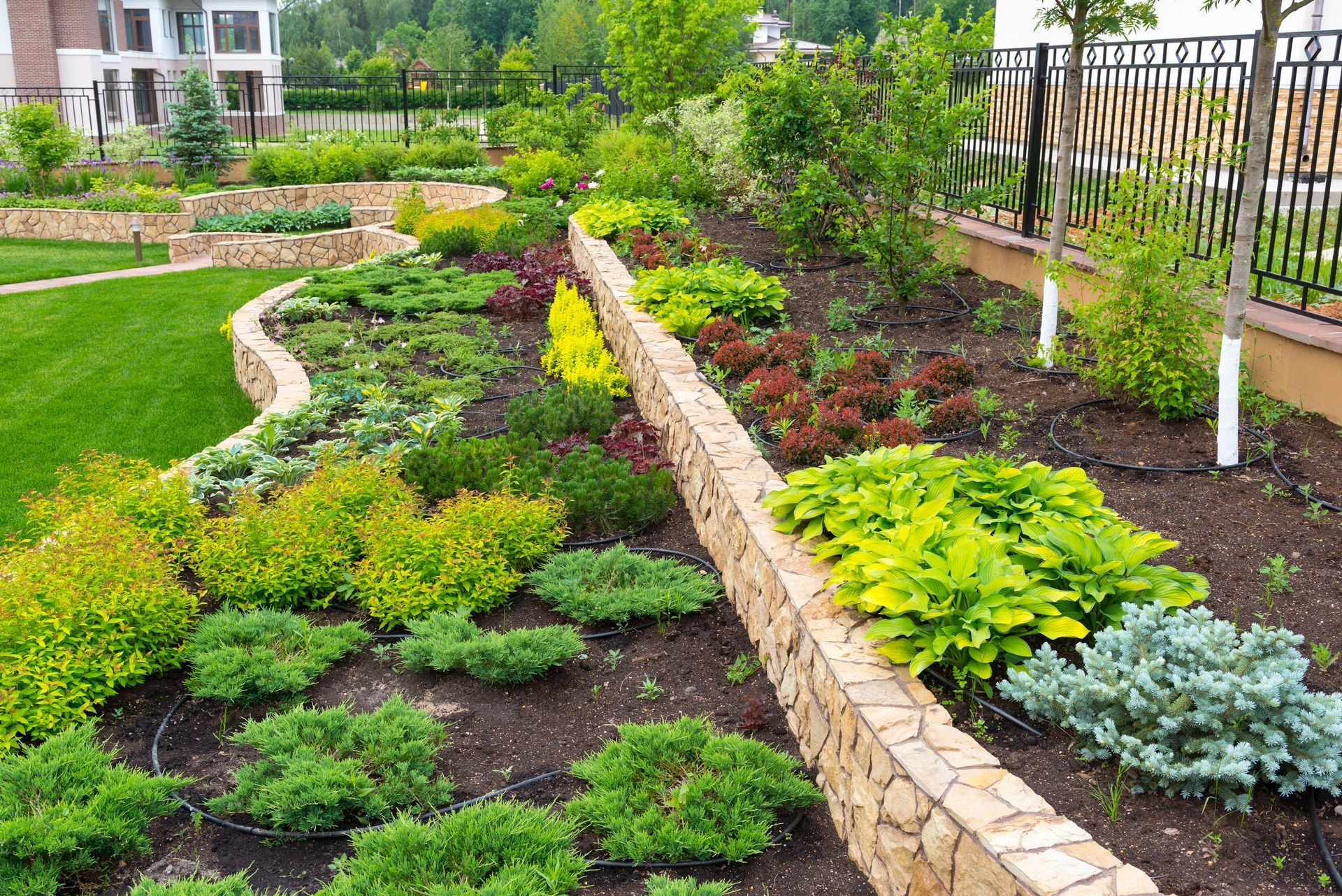
The foundation of any successful garden is healthy soil, which supports robust plant growth and a sustainable ecosystem. Soil management involves regular assessment of soil composition, pH levels, and nutrient content to ensure it meets the needs of your plants. Many gardeners may choose to conduct soil tests at the start of the gardening season, adjusting soil amendments based on the results. Organic matter such as compost can be integrated into garden beds to improve soil fertility and structure, enhancing water retention and root growth. By nurturing soil health, gardeners can establish an environment that encourages plant diversity and resilience.
In addition to composting, cover cropping is an effective strategy for maintaining soil fertility during off-seasons. Cover crops help prevent erosion, suppress weeds, and can add valuable nutrients like nitrogen when tilled back into the soil. The practice of crop rotation is another essential component of soil health management, as it reduces pest buildup and maintains soil nutrient levels. By rotating plant families in different garden zones each season, gardeners can minimize the depletion of specific nutrients and manage pathogens. Such sustainable practices contribute to a vibrant garden ecosystem that supports diverse flora and fauna.
Mulching is a widely adopted method for managing soil health, providing numerous benefits including moisture retention and insulation against temperature extremes. Organic mulches like straw, wood chips, or leaf mold decompose over time, contributing to soil fertility and improving the soil's physical properties. Selecting the right type of mulch and applying it appropriately with help from a professional landscaper contractor can significantly impact the overall health of garden beds. Whether you're a novice or seasoned gardener, employing sound soil management techniques lays a solid foundation for plant health and successful gardening endeavors, capturing insights that many landscape designers advocate for within their professional practice.
Pruning Techniques
Pruning is essential for maintaining healthy plant growth and encouraging blossoms and fruit production. The practice of pruning involves selectively removing overgrown or dead plant material to improve air circulation and light penetration. Understanding the specific needs of each plant type is crucial to effective pruning; some plants require seasonal cuts for optimal growth, while others benefit from regular maintenance. Timing is critical, as inappropriate periods can lead to stress and reduced vitality, particularly during active growth phases. By mastering pruning techniques or relying on a dedicated landscaper contractor, gardeners can enhance the aesthetic quality and health of their flora, resulting in abundant and vibrant gardens.
Sustaining a vibrant, resilient landscape requires a balanced combination of precision lawn care and systematic garden bed maintenance. By mastering proper mowing heights, optimizing morning irrigation schedules, and managing soil health through organic mulching and selective pruning, property owners can safeguard their outdoor investment against severe weather, weed infestations, and turf diseases. Integrating smart irrigation technology and routine soil testing further streamlines these essential tasks, ensuring long-term ecological balance and aesthetic value.
Partnering with experienced local specialists takes the guesswork out of complex fertilization, seasonal cleanups, and custom lawn care. Contact Skinner Overlook Landscape & Design today to get started with a free estimate on your custom maintenance plan!



Share On: