

4 Tips to Keep Your Garden Lush and Healthy All Year Round
Gardening is both an art and a science, offering a tranquil retreat and a rewarding hobby. Keeping a garden healthy through changing seasons requires consistent care, thoughtful planning, and attention to the conditions affecting plants. Professional landscapers can help with watering, fertilizing, trimming, weeding, and seasonal cleanup to maintain a well-kept outdoor space. The right approach can vary from one property to another, so it is important to consider the needs of the lawn, trees, shrubs, flowers, and other plantings throughout the year.
1. Healthy Garden Conditions
Assess Soil Conditions
The foundation of a healthy garden is suitable soil. Soil conditions can affect how plants receive water and nutrients, so paying attention to the condition of planting areas is an important part of landscape care. Fertilization can provide lawns, trees, and shrubs with nutrients that support healthy growth, while aeration can help improve conditions around plant roots. Professional landscapers can also help identify areas that may need additional attention as the seasons change.
Monitor Sunlight Exposure
Sunlight plays an important role in plant growth, and different plants can have different light requirements. Observe how sunlight reaches various areas of the property throughout the day when planning or maintaining garden spaces. Considering available sunlight can help when selecting and arranging trees, shrubs, flowers, and other plantings. A thoughtful landscape design can also account for existing property conditions when developing an outdoor space.
Consider Compatibility
Plant selection can influence the overall appearance and condition of a garden. Trees, shrubs, flowers, and other plantings can be selected according to the property's climate, soil conditions, existing landscape, and desired appearance. Choosing plants that are appropriate for the property can help create a cohesive outdoor space. Professional landscapers can incorporate new plantings into an established landscape through thoughtful design and installation.
Manage Weeds and Pests
Weeds and unwanted pests can affect the condition of garden and landscape areas. Regular maintenance can help address weeds before they interfere with surrounding plants, while integrated pest management can help manage unwanted pests. Consistent attention to these concerns, along with routine landscape care, can help keep planting areas neat and well maintained. According to Community Gardening, gardening has been found to reduce cortisol, the hormone related to stress.
2. Effective Watering Practices
Establish a Watering Routine
Proper watering is an important part of maintaining healthy plants. Watering needs can vary according to the plants, soil conditions, weather, and time of year. Paying attention to the condition of plants and planting areas can help determine when additional water may be needed. A consistent approach can help prevent problems associated with providing either too much or too little moisture.
Maintain Irrigation Systems
An irrigation system can provide consistent water to lawns and plantings when properly installed and maintained. Irrigation services can include new system installation, maintenance, and repairs for existing systems. Customized irrigation maintenance can address the needs of a particular landscape, while seasonal irrigation services can help prepare systems for colder weather. Professional landscapers can provide ongoing attention to irrigation needs as landscape conditions change.
Use Mulch Around Plantings
Mulching is another useful part of landscape maintenance. Mulch can help conserve soil moisture and suppress weeds around planting areas while contributing to a neat, finished appearance. Maintaining mulch beds as part of regular landscape care can help keep garden areas orderly throughout the growing season.
Watch for Watering Issues
Plants can show signs when their watering needs are not being met. Wilting, dry soil, or changes in the appearance of foliage can indicate that a planting area needs attention, while consistently wet conditions may also create problems. Regular observation of lawns and plantings can help identify changes that may require adjustments to irrigation or other maintenance practices.
3. Strong Lawn and Plant Health
Prepare for Spring Growth
Spring is an important time to refresh outdoor spaces after winter. Seasonal cleanup can remove debris and prepare shrub, tree, and mulch beds for the months ahead. Fertilization can provide nutrients to lawns, trees, and shrubs, while aeration can support healthier conditions around plant roots. Trimming, pruning, weeding, and other routine maintenance can also help keep the landscape orderly as new growth begins.
Maintain Summer Landscapes
Summer landscape care includes maintaining adequate moisture and keeping plants and lawn areas in good condition. Irrigation maintenance can help support consistent watering, while mulching can help conserve soil moisture and suppress weeds. Regular lawn care, trimming, weeding, and fertilization can also help maintain outdoor spaces throughout the growing season. Professional landscapers can provide ongoing maintenance as seasonal conditions change.
Complete Fall Cleanup
Fall cleanup helps prepare outdoor spaces for the colder months. Seasonal cleanup can include removing debris, raking lawn areas, pruning dead and damaged branches, and cleaning and cultivating shrub, tree, and mulch beds. Edging garden beds and disposing of landscape debris can further refresh the property before winter. These services can help landscapers maintain orderly outdoor spaces as the seasons change.
Prepare Landscapes for Winter
Preparing a landscape for winter can help outdoor spaces transition into colder weather. Seasonal maintenance can address remaining debris and other landscape areas before winter arrives. Irrigation systems can also receive seasonal service to prepare them for colder temperatures. For commercial properties, winter services include snow plowing and snow removal for parking lots, driveways, sidewalks, and walkways.
Apply Landscape Fertilization
Fertilization can support the health of lawns, trees, and shrubs by providing nutrients throughout the year. Customized fertilization treatments can be incorporated into an ongoing landscape maintenance plan according to the needs of the property. Aeration can also support lawn health by improving conditions for growth and encouraging new growth.
Maintain Trees and Shrubs
Regular tree and shrub care can help keep garden areas neat and maintained. Trimming and pruning can address overgrown, dead, or damaged growth, while ongoing care can help maintain the appearance of ornamental plantings. Consistent attention to trees and shrubs can also complement other landscape maintenance services.
4. Thoughtful Landscape Design
Plan Functional Outdoor Spaces
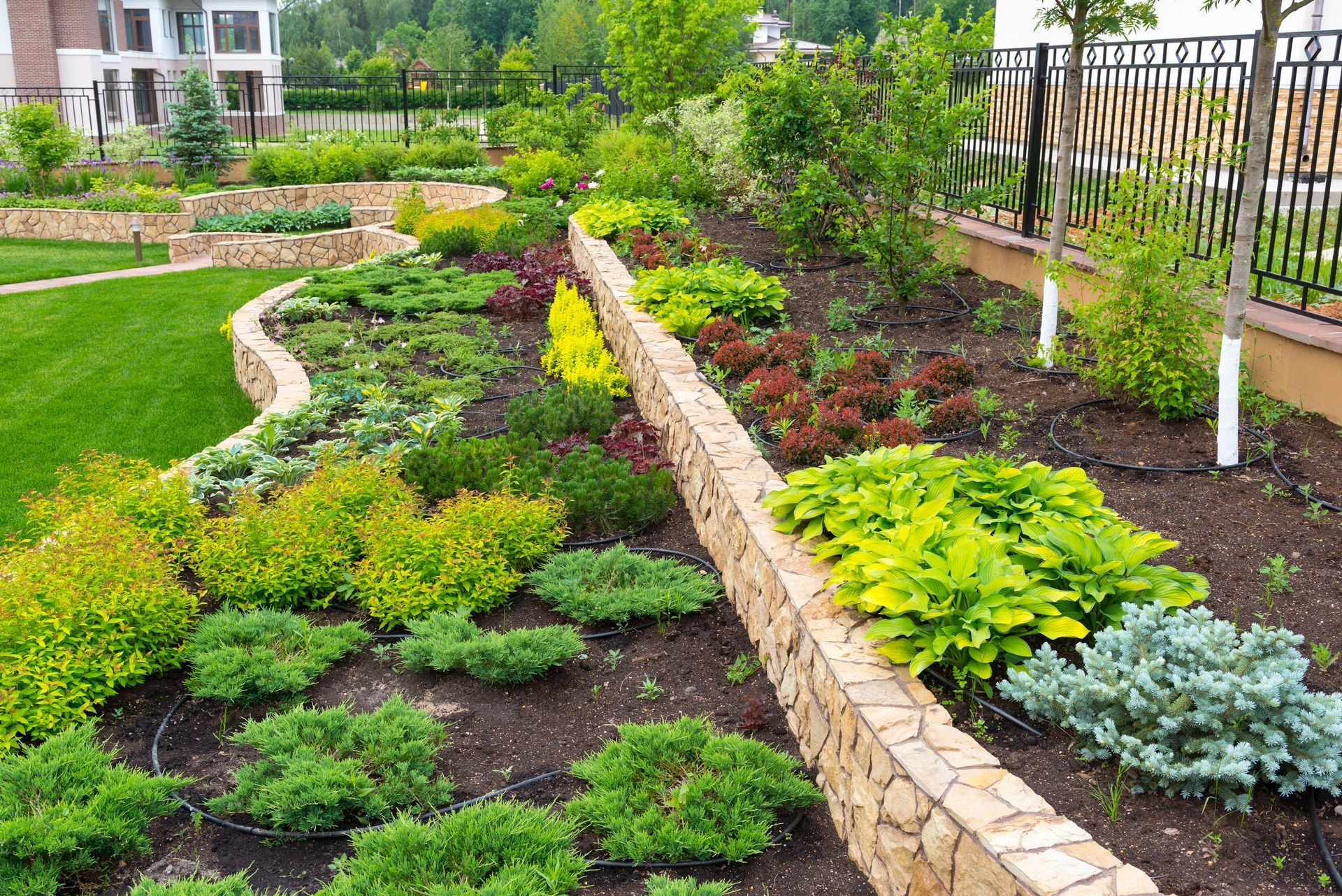
Landscape design can help organize an outdoor space around its intended use, existing property features, and overall appearance. Custom landscape designs can incorporate lawns, plantings, patios, pavers, fire pits, outdoor kitchens, retaining walls, walkways, and other landscape features. Considering how these elements work together can help create an outdoor space that is both functional and visually cohesive.
Select Suitable Plantings
Choosing plants that suit the property's climate and soil conditions can contribute to a healthy landscape. Trees, shrubs, flowers, and other plantings can be selected to complement the existing property and the overall landscape design. Professional planting installation can then bring the completed design into the outdoor space while incorporating the property's existing features. Landscapers can help coordinate these elements as part of a broader landscape plan.
Coordinate Landscape Features
Garden areas can be part of a larger landscape that includes hardscaping and outdoor living features. Patios, pavers, fire pits, outdoor kitchens, retaining walls, stone steps, walkways, and other construction elements can be incorporated into landscape projects. Coordinating plantings and landscape features can create a more unified outdoor environment. These elements can also help shape how the property is used and enjoyed.
Keeping a garden lush and healthy throughout the year requires thoughtful care that changes with the seasons. Proper irrigation, fertilization, trimming, planting, weeding, and seasonal cleanup can help maintain attractive and well-kept outdoor spaces. Landscape design can also bring plantings and hardscape features together to create a cohesive setting that complements the property. Skinner Overlook Landscape and Design provides landscape design, maintenance, irrigation, fertilization, planting, and seasonal services for residential and commercial properties. Contact Skinner Overlook Landscape and Design to learn more.


Share On: