

How Landscape Design Shapes Better Outdoor Living Spaces
Outdoor spaces can become valuable extensions of a home when they are planned with comfort, functionality, and visual appeal in mind. A well-organized yard provides opportunities to relax, entertain guests, enjoy nature, and spend more time outside. Through thoughtful landscape design, homeowners can transform ordinary lawns and underused areas into inviting environments that support their lifestyles. Every element, from walkways and planting beds to patios and shade trees, contributes to the overall experience. A successful outdoor space should look attractive while remaining practical for everyday activities. Careful planning also helps ensure that different features complement one another rather than compete for attention. With the right approach, homeowners can create an outdoor environment that feels connected to the home and surrounding property. Understanding the benefits of professional planning makes it easier to recognize the possibilities for improving an existing yard.
Creating Functional Outdoor Living Areas
A functional yard begins with identifying how the space will be used throughout the year. Some homeowners want comfortable seating areas, while others prioritize gardens, outdoor dining, or open spaces for recreation. Effective landscape design organizes these activities into distinct areas without making the property feel crowded or disconnected. For example, a patio near the back door can simplify outdoor dining, while a quiet seating area beneath a tree can provide a peaceful place to unwind. Walkways help connect these spaces and make it easier to move around the property. Strategic placement of furniture, plants, and decorative features also improves accessibility. Homeowners should consider the number of people who will regularly use the yard and the activities they enjoy most. By matching the layout to everyday needs, an outdoor space can become more comfortable and useful.
Improving Visual Appeal Through Balanced Planting
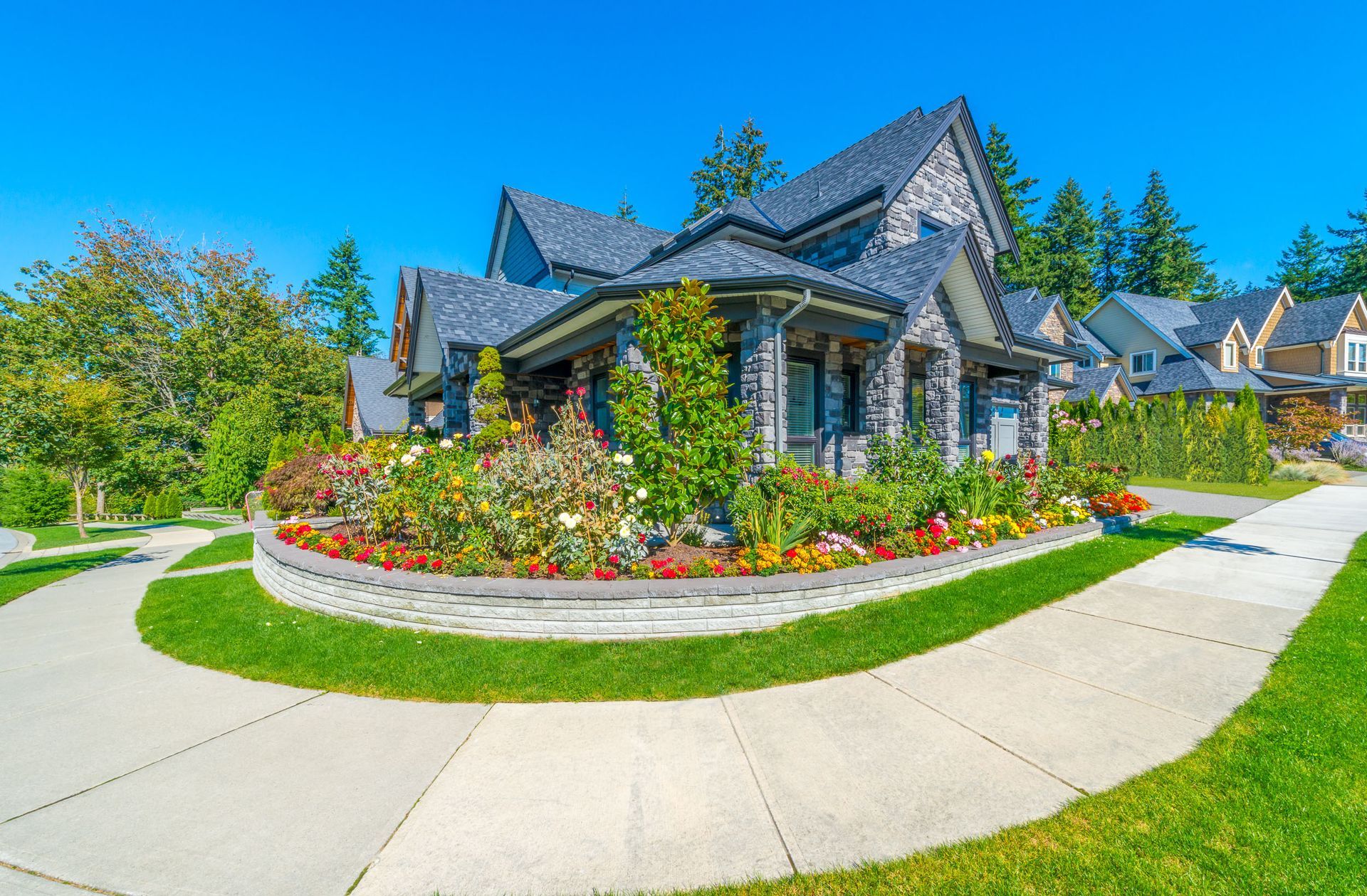
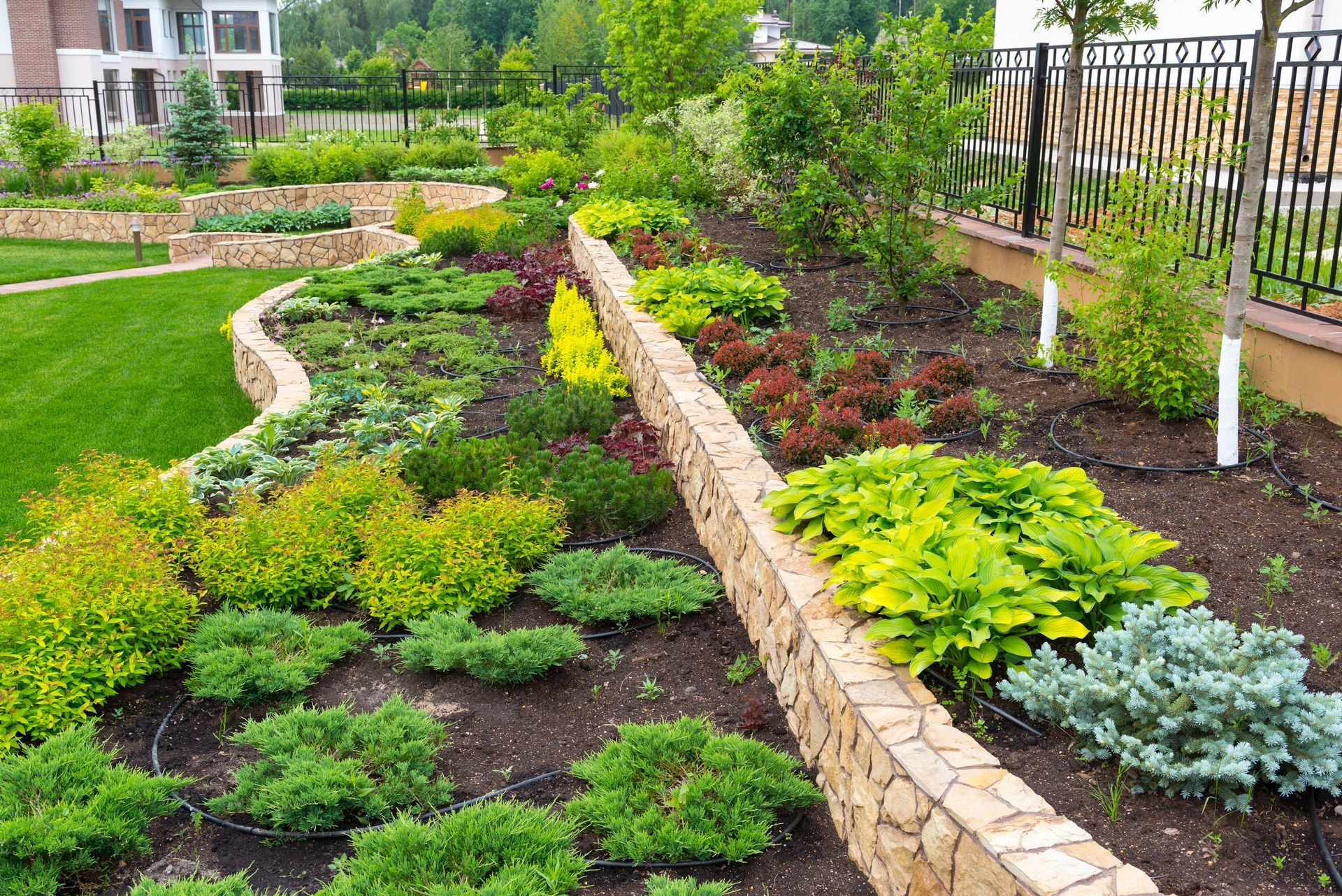
Plants bring color, texture, movement, and seasonal interest to outdoor environments. Choosing the right combination of trees, shrubs, flowers, and ground cover helps establish a cohesive appearance across the property. With landscape design, plant placement can create visual balance while highlighting attractive features such as entrances, patios, and garden paths. Taller plants may provide structure along property boundaries, while smaller flowers can introduce color around seating areas. Mixing different foliage textures also prevents planting beds from appearing uniform or unfinished. Homeowners should consider mature plant sizes to avoid overcrowding as vegetation grows. Selecting plants suited to local soil, sunlight, and weather conditions can further support healthy growth. A balanced planting plan creates a welcoming setting that remains attractive as the seasons change.
Increasing Property Value and Market Appeal
Outdoor improvements can influence how people perceive a property before they even enter the home. Neat planting beds, healthy lawns, defined pathways, and attractive gathering areas contribute to a strong first impression. According to Virginia State University, sophisticated landscape design may increase property value by as much as 12.7%, demonstrating the potential financial benefits of carefully planned outdoor improvements. Although actual returns vary depending on location, property condition, and buyer preferences, an appealing yard can help a home stand out in a competitive market. Buyers may also appreciate outdoor features that are ready to use rather than requiring extensive renovation. Consistent maintenance helps preserve the appearance of these improvements over time. Choosing durable materials and practical layouts can make outdoor investments more worthwhile. A thoughtfully maintained exterior supports both everyday enjoyment and the property's overall presentation.
Enhancing Comfort With Shade and Privacy
Comfort is an essential part of creating outdoor spaces that homeowners want to use regularly. Direct sunlight, limited privacy, and exposure to neighboring properties can make certain areas less enjoyable. Thoughtful landscape design addresses these concerns by combining trees, shrubs, screens, and seating arrangements to create a more sheltered environment. Shade trees can help cool patios and seating areas during warmer months, depending on their placement and maturity. Carefully positioned hedges may provide privacy without requiring solid fencing throughout the yard. Pergolas and other overhead structures can introduce additional shade while defining outdoor gathering spaces. Homeowners should also consider prevailing winds and the position of the sun when planning seating areas. These practical details help create an outdoor setting that feels comfortable, inviting, and suited to regular use.
Connecting Outdoor Spaces With the Home
An outdoor living area often feels more natural when its appearance complements the home's architecture and interior design. Matching materials, coordinating colors, and maintaining consistent design details can create a smoother transition between indoor and outdoor environments. Landscape design can support this connection by aligning patios, pathways, and planting arrangements with existing doors, windows, and architectural features. For instance, a patio positioned near a kitchen may make serving meals outside more convenient. Repeating colors from exterior finishes in planters or garden accents can also establish visual continuity. The scale of outdoor structures should complement the home's proportions rather than overwhelm them. Homeowners can further strengthen the connection by using outdoor lighting to create a welcoming atmosphere after sunset. When the exterior and interior feel coordinated, the property becomes a more cohesive environment for relaxation and entertaining.
Supporting Sustainable and Low-Maintenance Landscaping
A beautiful yard should also be manageable within a homeowner's available time and resources. Selecting appropriate plants, planning efficient irrigation, and reducing unnecessary lawn areas can help simplify ongoing maintenance. Sustainable landscape design considers local growing conditions and the long-term needs of each feature before installation begins. Native and regionally adapted plants may require less supplemental watering once established, although their needs depend on the specific species and site conditions. Grouping plants with similar water requirements can make irrigation more efficient. Mulch helps retain soil moisture, moderate soil temperatures, and limit weed growth in planting beds. Durable paving materials and well-planned drainage can also reduce recurring problems in frequently used areas. These decisions help homeowners maintain an attractive outdoor space without creating an unnecessarily demanding maintenance routine.
Planning Lighting and Pathway Features
Lighting and pathways improve both the usability and appearance of outdoor environments. Clear routes between entrances, patios, gardens, and other gathering areas help people navigate the property more easily. Incorporating landscape design principles into pathway placement can ensure that routes feel natural and connect important destinations efficiently. Materials such as stone, pavers, and gravel offer different visual effects and maintenance requirements, so selections should reflect how each pathway will be used. Outdoor lighting can highlight steps, illuminate entrances, and make seating areas more inviting after dark. Low-level fixtures along walkways can improve visibility without overwhelming the surrounding landscape. Homeowners should also consider drainage and surface stability when choosing pathway materials. Together, these features create a more accessible and attractive yard throughout the day and evening.
Making Outdoor Improvements With a Clear Plan
Successful outdoor improvements begin with understanding the property's existing conditions and the homeowner's priorities. Sun exposure, soil quality, drainage patterns, available space, and existing vegetation can all influence which features will work best. Professional landscape design brings these considerations together into a coordinated plan that accounts for appearance, functionality, and long-term maintenance. Establishing priorities early can also help homeowners manage their budgets and decide which improvements should happen first. Some projects may focus on improving an existing patio, while others may involve reorganizing planting beds or creating entirely new outdoor living areas. Planning the overall layout before installing individual features helps prevent costly changes later. Homeowners should also consider how their needs might evolve over time. A flexible, well-planned outdoor environment can continue serving the household as preferences and routines change.
Transforming Your Yard Into a Better Living Space
A thoughtfully designed yard offers more than attractive greenery because it creates opportunities to relax, entertain, and enjoy the outdoors comfortably. From balanced planting arrangements to practical pathways, shade, and lighting, each element contributes to the property's overall function and appearance. When landscape design reflects the homeowner's needs, outdoor spaces can become natural extensions of the home rather than areas that receive occasional attention. Careful planning also supports easier maintenance and helps homeowners make informed decisions about their investments. The most successful improvements combine visual appeal with features that make everyday outdoor activities more enjoyable. Whether the goal is a peaceful garden retreat or a welcoming entertainment area, the right plan can help bring that vision to life.
Contact Skinner Overlook Landscape and Design to discuss your outdoor improvement goals and explore ways to create a more functional, attractive, and inviting landscape for your property.


Share On: